October 31
Witch's New Year, Third Harvest, Spirit Night
Samhain is an ancient Gaelic festival that originated in Ireland, Scotland and the Isle of Man. Samhain (sam fuin) translates to “summer’s end.” It is a pivotal seasonal transition from light/warmth to dark/cold — a time to celebrate the end of summer and prepare for the winter months ahead. Crops were fully harvested (Samhain is known as the 3rd and final harvest of the year), livestock were brought down from their summer pastures, and everything was “put to bed” for the year. Bonfires were used to cleanse, bring light to the growing dark, and to give honor to the Gods. The Ancient Celts believed Samhain was a time when the boundary between the physical world and the Spiritual world grew very thin (thinning of the veil). Thus it became a time to remember those who have passed on. The magickally inclined feel that when the veil is thin, communication is much easier between the physical & spiritual (humans and spirits of the dead). For some pagans, this time of year is a time to honor the Dark Mother and Dark Father, symbolized by the Crone and her aged Consort.
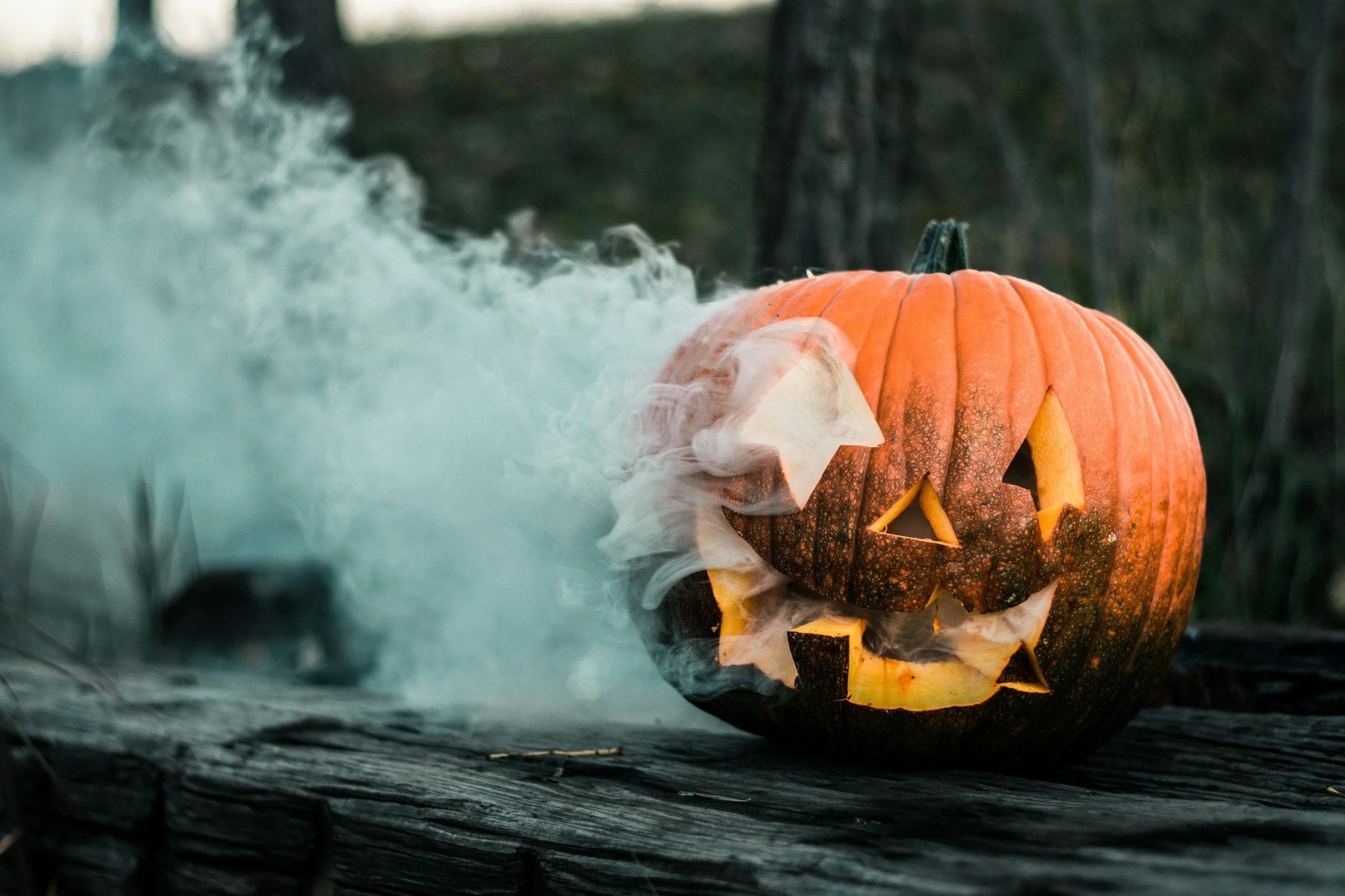
In Ancient times, people left food and drink offerings outside their homes to appease the wandering and mischieveous spirits. They welcomed the souls of their deceased family members, and carved/wore turnip lanterns to ward off unwanted entities. This practice evolved into our modern-day “jack-o-lanterns” which is popular Halloween past time in America. “Guising” was a practice where people wore masks, animal skins, or costumes to either hide from or trick harmful spirits. This practice evolved later into dressing up in costumes and trick-or-treating.
When the Christians arrived in the Celtic lands, the Catholic Church absorbed and Christianized Samhain into their own holy days — All Saints’ Day (or All Hallows) on November 1st and All Souls’ Day on November 2nd. All Hallows eventually became known as All Hallows’ Eve and then later Halloween.
Samhain in modern times is still celebrated by Wiccans, Druids and Pagans as a sacred time to honor ancestors, reflect on death/rebirth, mark the turn of the spiritual year and practice new and old traditions.
Traditions and Practices
Leaving food offerings on altars and doorsteps for the wandering dead
Leave a lit (or electronically lit) candle in a windowsill to guide the Spirits of Ancestors to the Afterlife
Setting extra chairs out in the home/dinner table for unseen guests or doing a “dumb supper” (setting a meal out for your deceased loved ones)
Burying apples along roadsides and paths for Spirits who have lost their way or have no descendants to provide for them
Carving turnips or pumpkins to look like protective Spirits
Bonfires
All forms of divination practices
Creating an Ancestors altar with photos of your deceased loved ones and decorating with sentimental objects, candles, crystals, and more
Dressing in a costume (“guising”) and trick-or-treating
Harmless tricks / pranks
Visiting cemeteries and tending to gravesites
Leaving offerings at gravesites (acorns)
Celebrating the Witch’s New Year
Harvesting the last of the year’s produce and stockpiling food for Winter
Honoring the Goddess in her dark/Crone aspect
Slowing down and doing cozy activities at home
Cooking delicious fall/winter meals
Magickal Correspondences
Symbolism: third harvest, the Mysteries, rebirth through death, gourds, apples, black cats, jack-olanterns, besoms, Spirit Night, astral realm, ancestors, thinning of the veil, divination, spiritual contact, ghosts/entities, bonfires/fire, old age, chaos
Plants + Flowers: mugwort, allspice, broomcorn, catnip, deadly nightshade, mandrake, oak leaves, sage, straw
Foods: turnips, apples, gourds, nuts, mulled wines, beef, pork, poultry, pomegranates, all grains, pumpkin pie, hazelnuts, cakes for the dead, corn, cranberry muffins + breads, ale, cider, herbal teas
Incense: heliotrope, mint, nutmeg, sage
Crystals: obsidian, labradorite, smokey quartz, amethyst, selenite, lapis lazuli, moonstone Colors: orange, purple, black, deep sage green
Tarot: Death, the High Priestess, the Hermit, the Moon
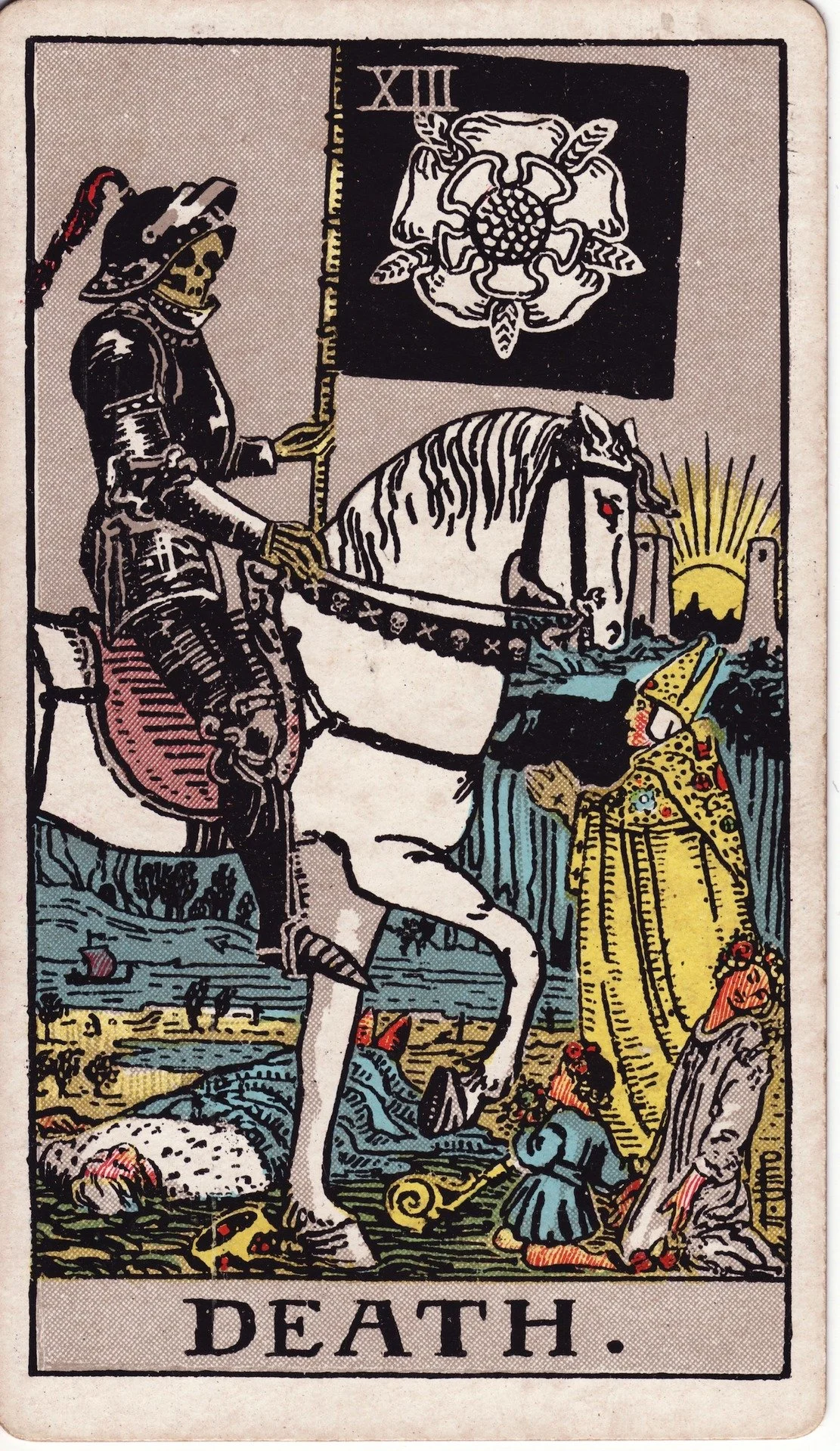
Death major arcana tarot card represents transformation, endings, death/rebirth, the end of a major cycle or phase, and letting go.
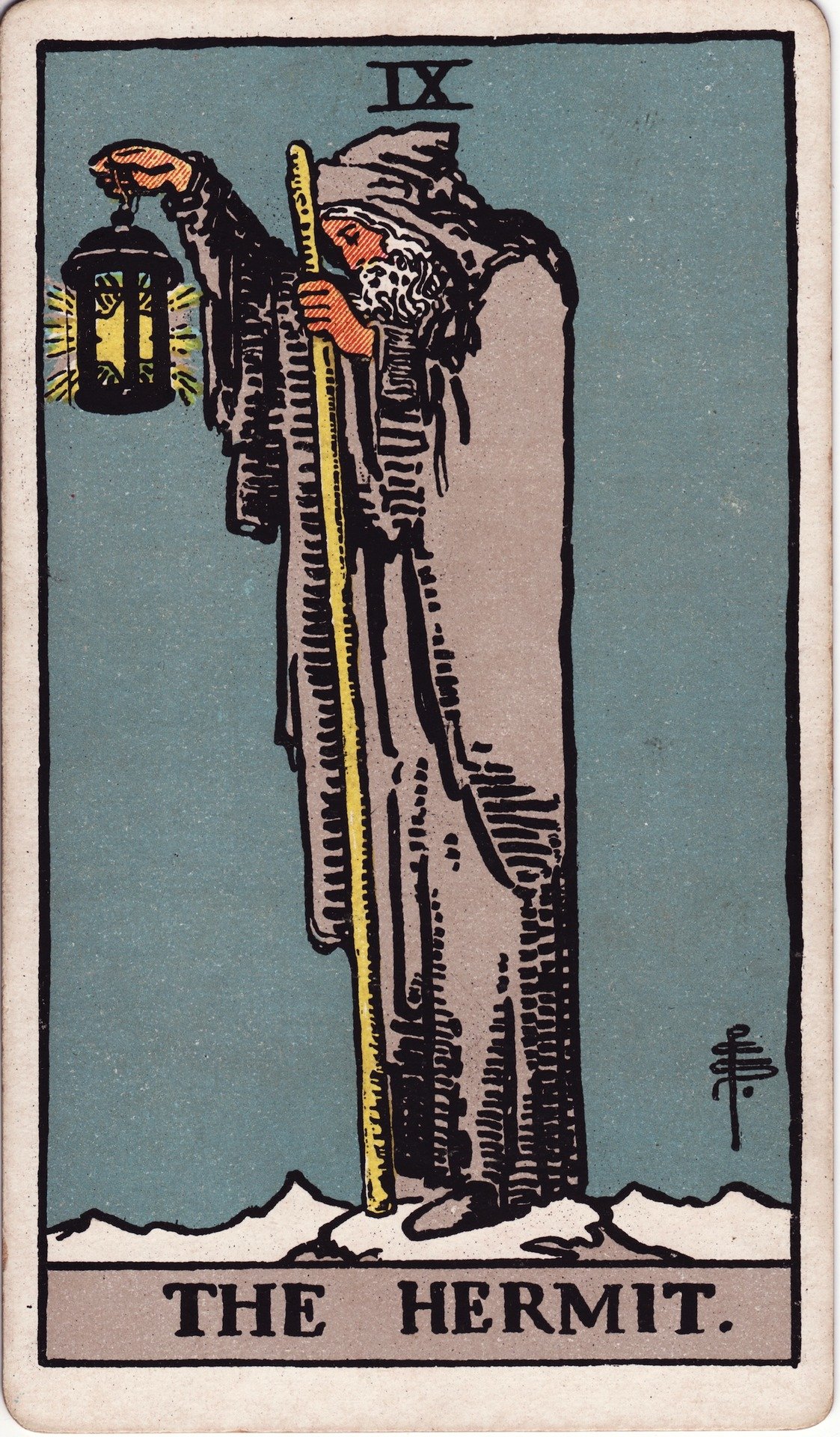
The Hermit major arcana tarot card represents soul-searching, introspection, inner guidance, and being alone.
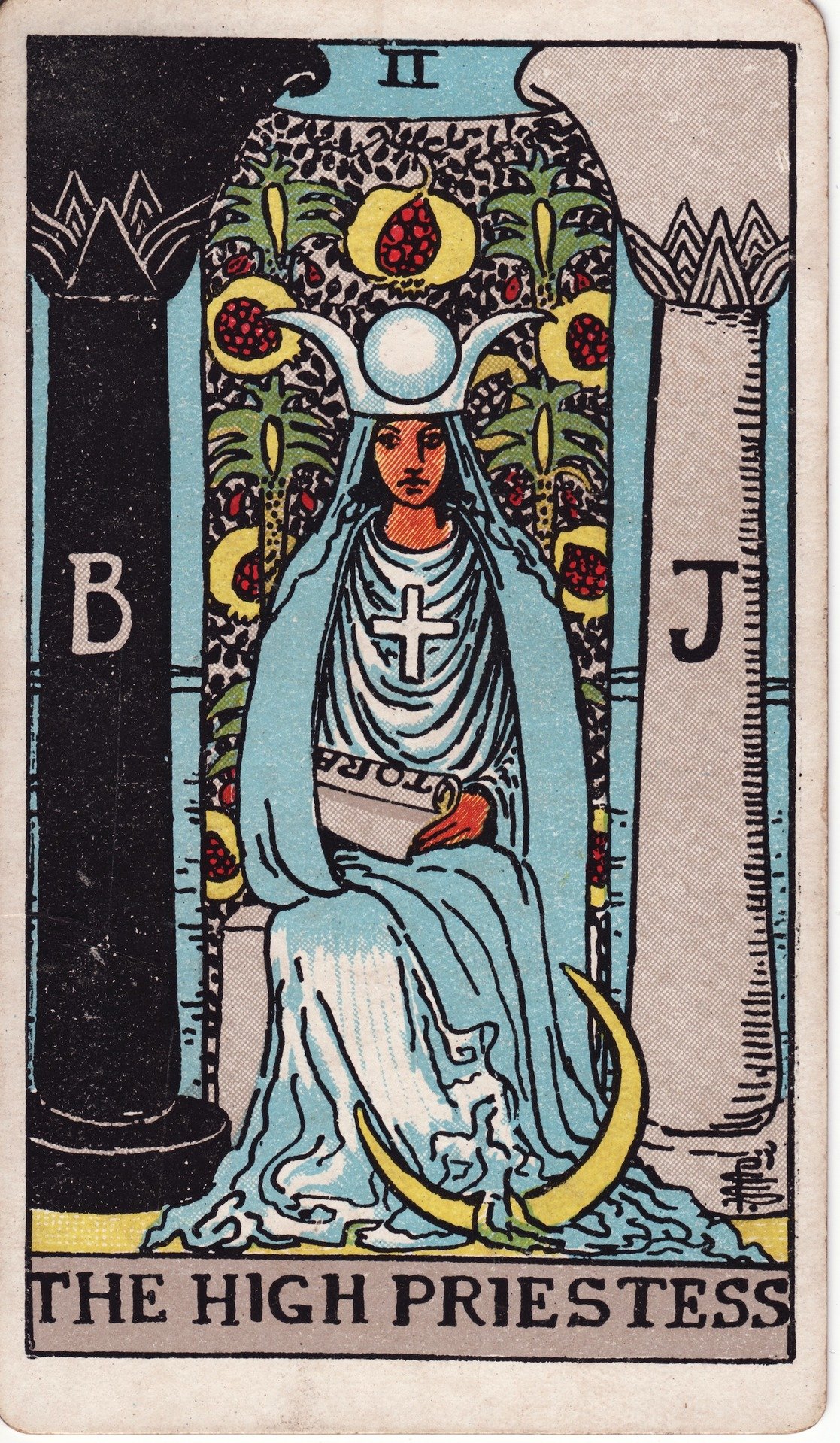
The High Priestess major arcana tarot card represents intuition, sacred mystery, inner wisdom, observation, and the unknown.
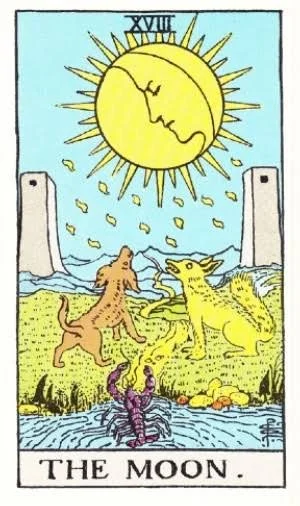
The Moon major arcana tarot card represents intuition, dreams, illusions, mystery, and subconsciousness.
Deities Celebrated This Time of Year
Abrahamic: All Saints, All Souls
Celtic: The Morrigan, The Dagda, Crom Cruach, Lugh, the Horned God, the Crone Goddess
Egyptian: Anubis, Bastet, Isis, Nephthys, Osiris, Sekhmet, Thoth
Greek: Persephone, Hecate
Hindu: Kali, Yama (Yamarāja), Shiva
Norse: Freyr, Hel (Hela), Odin
Roman: Manes / Ancestor Spirits (Feralia), Pomona, Vertumnus