A Brief Overview of Taoist Mythology
Taoist mythology is the spiritual and symbolic storytelling tradition of Taoism (Daoism), a Chinese philosophy and religion centered on living in harmony with the Tao (Dao)—the eternal, ineffable force that flows through all of existence. Taoist myths explore immortality, cosmic balance, transformation, and the pursuit of inner and universal harmony.
The Tao itself is not a god, but the natural, guiding principle of the universe. It is the source of all things and cannot be fully described or contained—it must be lived and experienced.
Taoist mythology includes a vast pantheon of immortals, spirits, and deities, many of whom were once mortals who attained enlightenment or immortality through spiritual cultivation:
The Jade Emperor – ruler of Heaven and the celestial bureaucracy
The Eight Immortals – legendary sages who represent different paths to immortality
Laozi (Lao Tzu) – often deified as the human incarnation of the Tao
Queen Mother of the West (Xiwangmu) – guardian of immortality and keeper of the peaches of eternal life
Alchemy, meditation, qigong, and moral virtue are key themes in Taoist practice and myth, believed to help individuals harmonize with the Tao and transcend mortality.
The stories emphasize balance between yin and yang, the unity of opposites, and the impermanence of worldly things, often teaching lessons through parables, magical journeys, and symbolic transformations.
Taoist mythology blends philosophy, mysticism, and folklore, offering a spiritual map to navigate both the inner self and the cosmos with wisdom, humility, and flow.
Taoist Goddesses & Gods
A-Z
-
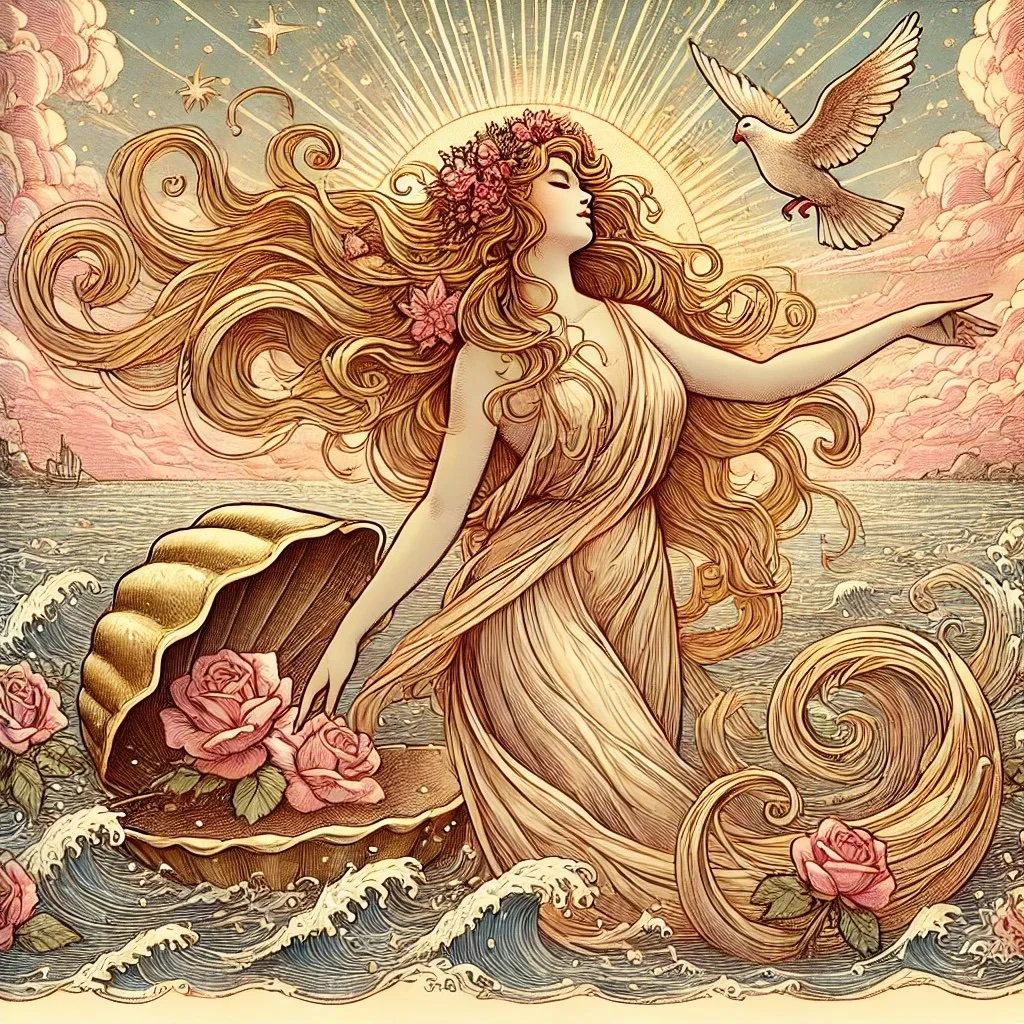
Apollo, one of the most revered gods in Roman mythology (adopted directly from the Greeks with the same name), is the god of the sun, prophecy, music, healing, and the arts. He is depicted as a youthful, radiant figure carrying a lyre and often associated with truth, harmony, and intellectual pursuits. As the son of Jupiter and Latona (Leto), and twin brother of Diana (Artemis), Apollo embodies both light and knowledge. He was the patron of the Oracle at Delphi and was believed to guide and inspire through divine insight. In Roman culture, Apollo also came to symbolize order, discipline, and the ideal of civilized life.

-
Arawn is a Welsh god and king of Annwn, the Otherworld—a mystical realm of the dead, beauty, and eternal youth. He appears prominently in the Mabinogi, where he swaps places with the mortal hero Pwyll to defeat a rival ruler, Hafgan. Arawn is portrayed as a just and noble ruler, commanding both respect and mystery. Though a lord of the underworld, he is not a figure of evil, but rather a guardian of balance between worlds. Arawn symbolizes the hidden forces of fate, honor in leadership, and the deep connection between the mortal world and the spiritual realm.

-
Badb is an Irish goddess of war, death, and prophecy, and one aspect of the Morrígan, the powerful triple goddess alongside Macha and Nemain. Her name means “crow” or “battle crow,” and she often appears on the battlefield as a crow, foretelling death and sowing chaos among warriors. Badb is not just a bringer of death, but also a prophetess who reveals the fated outcomes of war and the cycles of life and death. She embodies the fierce, untamed power of war and the otherworldly forces that shape destiny, serving as both a harbinger and a guide through transformation and change.
-
Banba is one of the ancient patron goddesses of Ireland, alongside her sisters Ériu and Fódla. She is a sovereignty goddess, representing the spirit and land of Ireland itself. In myth, when the Milesians (the ancestors of the Irish people) arrived to claim the land, Banba and her sisters each requested that the island be named after them—though it was ultimately named after Ériu, Banba's name still carries deep symbolic weight.
Banba is often associated with the northern regions of Ireland and with mystical, protective power. She represents the enduring connection between the people and the land, sovereignty, and the sacredness of Ireland as a living, divine presence.
-
Balor is a fearsome figure in Irish mythology, a giant and king of the Fomorians, a race of chaotic, destructive beings. He is most infamous for his deadly evil eye, which wreaks devastation when opened—capable of killing with a single glance. Balor represents tyranny, oppression, and destructive power, often standing in opposition to the Tuatha Dé Danann, the gods of order and civilization. In the mythic Battle of Mag Tuired, he is slain by his grandson Lugh, fulfilling a prophecy that he would be killed by his own kin. Balor symbolizes the ancient forces of chaos that must be overcome for renewal, justice, and the triumph of light over darkness.

-
Belenos, also spelled Belinus or Bel, was a Celtic god associated with the sun, light, healing, and prophecy. Revered primarily by the Gauls and other Celtic tribes, Belenos was often depicted as a radiant and youthful deity, symbolizing vitality and the life-giving power of the sun. He was also connected to the warmth and fertility of the land, as well as with the wellbeing of people. Festivals dedicated to Belenos, such as the Beltane (which means "Belenos’ fire"), were held to celebrate the arrival of summer, marked by bonfires and rituals to invoke the god's blessings for crops and health.

-
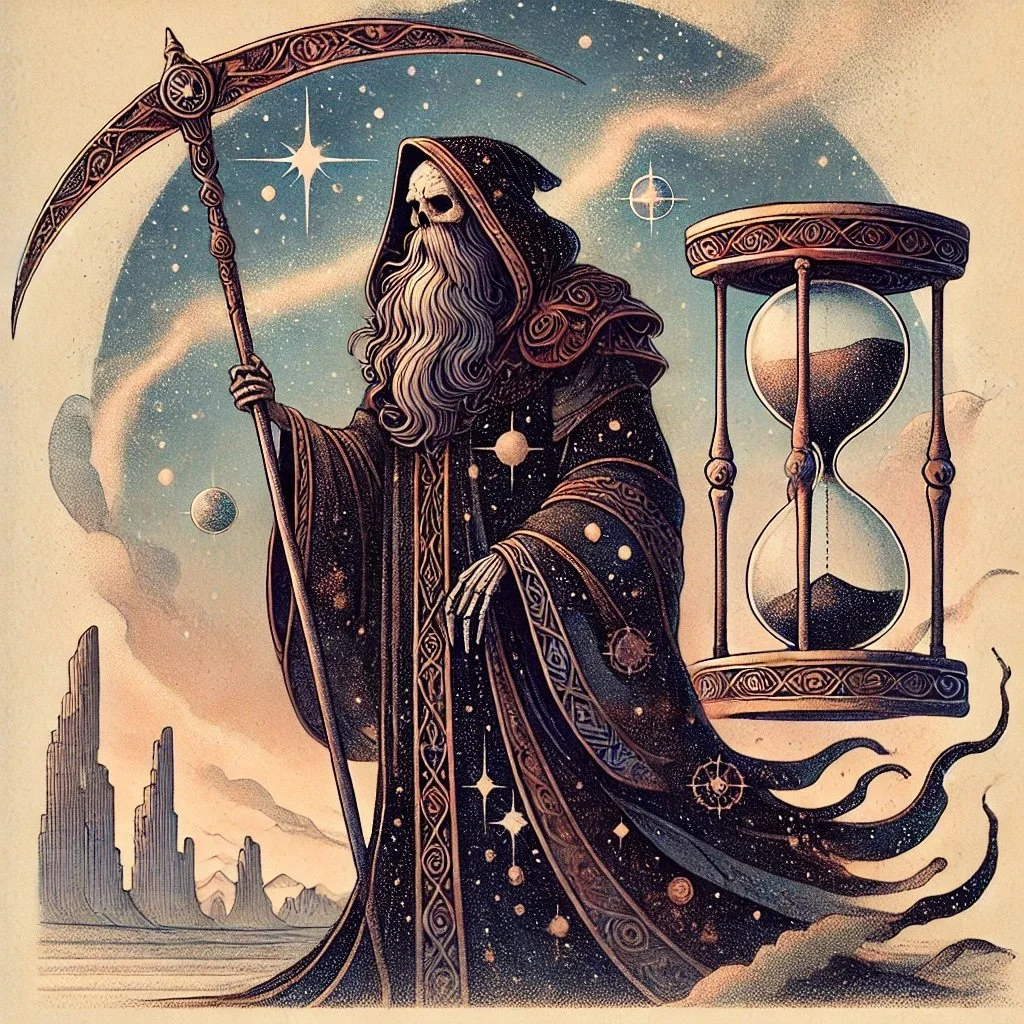
Blodeuwedd is a Welsh goddess created from flowers—oak, broom, and meadowsweet—by the magicians Math and Gwydion to be the wife of Lleu Llaw Gyffes in the Mabinogi. Though made with beauty and grace, Blodeuwedd defies her intended role, falling in love with another man and plotting Lleu’s death. Her betrayal ultimately leads to her transformation into an owl, a creature associated with night and mystery.
Blodeuwedd embodies themes of freedom, transformation, and the consequences of denying one's true nature. Though often seen as a symbol of treachery, she also represents resistance to control and the wild, unpredictable spirit of nature itself.
-
Boann is the Irish goddess of the River Boyne and a deity of inspiration, fertility, and sacred waters. As the wife of Nechtan and the secret lover of the Dagda, she is the mother of Aengus, the god of love and youth. Boann is most famous for creating the River Boyne when she approached a forbidden, mystical well of wisdom—the Well of Segais. When its waters rose and surged after she defied its sacred rules, they flowed across the land, forming the river and forever linking her with knowledge and transformation.
Boann symbolizes the creative and life-giving power of water, the flow of inspiration, and the bold pursuit of truth—even at great personal cost.

-
Brigid is one of the most beloved and enduring goddesses in Irish mythology, associated with healing, poetry, smithcraft, fertility, and the hearth. A member of the Tuatha Dé Danann and daughter of the Dagda, she bridges the worlds of creativity, craftsmanship, and nurturing care. Brigid is a triple goddess, often seen as embodying three aspects: poet, healer, and smith—the core sacred arts of Celtic tradition.
Her worship was so widespread that she was later syncretized into Saint Brigid in Christian tradition, preserving her legacy as a protector of home, hearth, and the land. She is honored at Imbolc (February 1st), a festival marking the return of light and the stirrings of spring. Brigid represents inspiration, transformation, and the sacred power of life in all its forms.

-
Camulus is a Celtic god of war and sky, primarily worshipped in Gaul and Britain, and later identified with the Roman god Mars during the Roman occupation. His name is thought to mean “champion” or “servant,” and he was revered as a powerful protector of tribes and a bringer of strength in battle. Though little mythology about Camulus survives, his importance is evident in place names like Camulodunum (modern-day Colchester), one of the earliest Roman capitals in Britain.
Camulus represents martial strength, divine guardianship, and the unshakable spirit of warriors and their lands. As a warrior god with celestial associations, he embodies both earthly might and higher, sacred authority.

-
Cernunnos is a horned Celtic god associated with nature, fertility, animals, and the wilderness. Often depicted with antlers or horns, he is a symbol of the primal connection between humans and the natural world. Cernunnos is frequently shown surrounded by animals, particularly stags, serpents, and other forest creatures, emphasizing his role as a protector and ruler of the wild. He is also linked to the cycles of life, death, and rebirth, making him a god of abundance and regeneration. Although details about Cernunnos are somewhat scarce, he is often regarded as one of the most significant deities in Celtic mythology, embodying the power of nature and the animal kingdom.
-
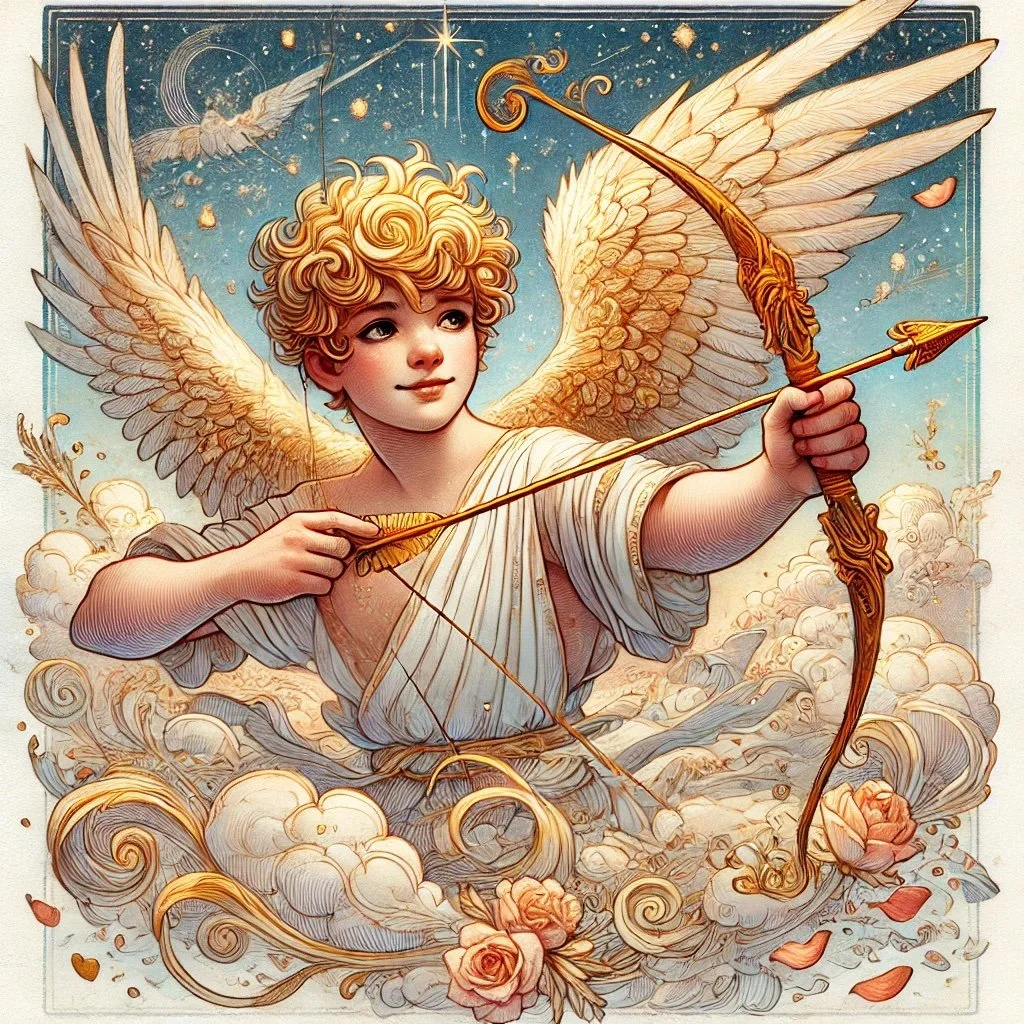
Cerridwen is a powerful Welsh goddess of transformation, inspiration, prophecy, and the cauldron of rebirth. She is most famously featured in the Mabinogi, where she brews a magical potion in her cauldron, called Awen, meant to grant her son wisdom and poetic inspiration. When the potion is accidentally consumed by the boy Gwion Bach, Cerridwen chases him through a series of shapeshifting transformations before eventually swallowing him—leading to his rebirth as the great bard Taliesin.
Cerridwen is often seen as a crone goddess, a keeper of deep magic and hidden knowledge. Her cauldron symbolizes the womb of creation, death and rebirth, and the mystery of divine inspiration. She embodies the cycles of change, the power of feminine wisdom, and the alchemy of the soul.
-
Creidhne is an Irish god of metalworking, bronze, and fine craftsmanship, one of the three divine smiths of the Tuatha Dé Danann alongside Goibniu and Luchta. Together, they formed the Trí Dé Dána—the “three gods of art” or craft. Creidhne was especially skilled in working with bronze and gold, shaping intricate weapons, tools, and ornaments with supernatural precision.
He played a key role in arming the gods for the Second Battle of Mag Tuired, helping forge magical weapons used against the Fomorians. As a deity of creation and fine metalwork, Creidhne represents skill, artistry, and the transformative power of craft, where raw elements become tools of beauty, protection, and power.

-
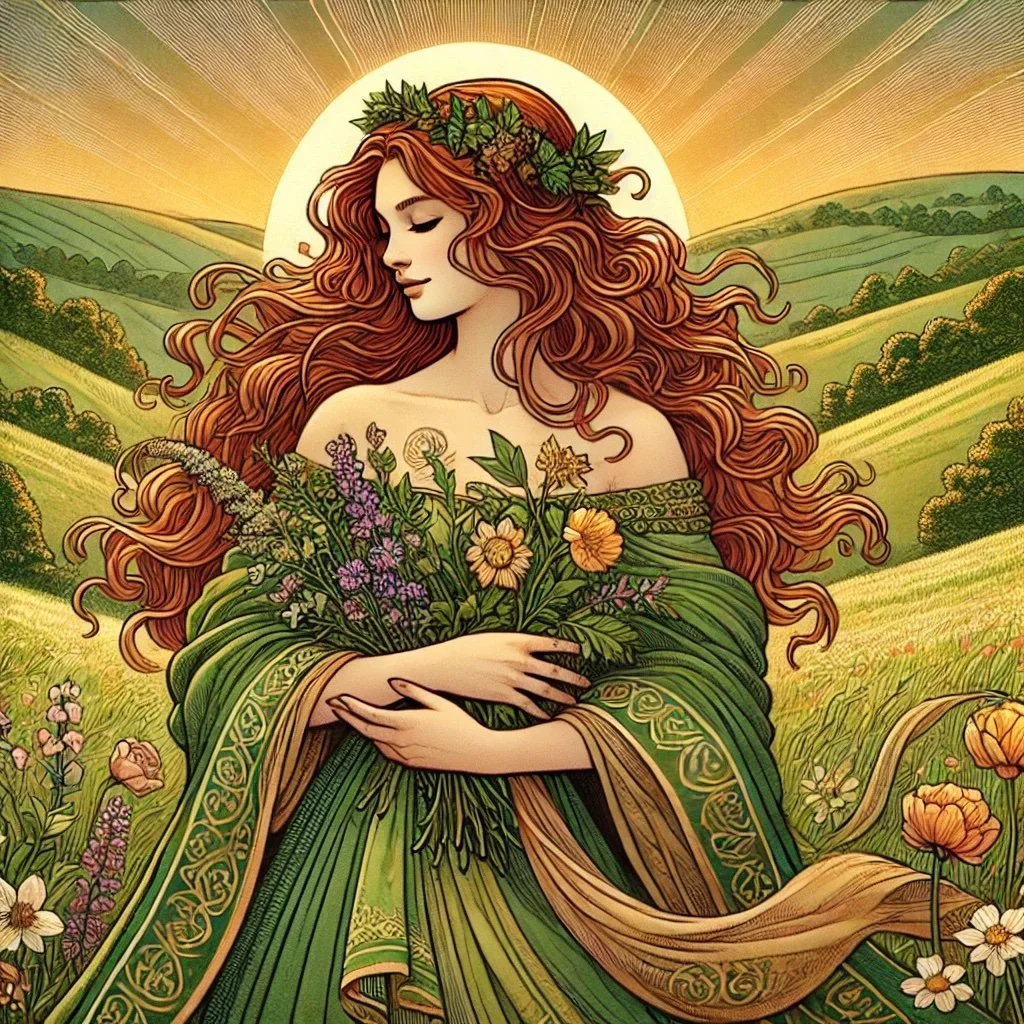
Danu is the revered mother goddess of the Tuatha Dé Danann, the legendary divine race in Irish mythology whose name means “People of the Goddess Danu.” Though little direct myth about her survives, Danu is considered a primordial force of fertility, wisdom, rivers, and the earth itself. She represents the source of life, nurturing both gods and mortals.
As an ancestral figure, Danu is linked to flowing water and sacred rivers, symbolizing abundance, inspiration, and spiritual nourishment. She embodies the power of the land, sovereignty, and the deep, enduring strength of the divine feminine. Mysterious yet foundational, Danu stands as the great mother—a wellspring of life, magic, and ancestral memory in Celtic tradition.
-
Dian Cécht is the Irish god of healing, medicine, and restorative magic, and a key member of the Tuatha Dé Danann. Renowned for his vast knowledge of herbs and healing arts, he is most famous for crafting a silver arm for King Nuada after it was severed in battle, allowing Nuada to remain king. This earned him great respect, though he later destroyed his son Miach’s even more perfect healing—out of jealousy—which shows both his power and his human-like flaws.
Dian Cécht also helped purify the healing Well of Sláine, into which he cast magical herbs to cure the wounded. He represents the sacred art of healing, the balance between physical and magical medicine, and the life-saving wisdom passed through generations.
-
Ériu is one of the three sovereignty goddesses of Ireland, alongside her sisters Banba and Fódla, and she is the goddess for whom Ireland (Éire) is named. A powerful symbol of the land itself, Ériu represents sovereignty, nationhood, and the sacred bond between people and their homeland.
When the Milesians—the mythic ancestors of the Irish—arrived to claim the land, Ériu greeted them and asked that the island be named after her. Though all three sisters made the same request, it was Ériu’s name that endured. As a sovereignty goddess, she was more than a figure of territory; she embodied the soul and identity of Ireland, granting kingship and legitimacy to those who honored her. Ériu symbolizes power, pride, and the enduring spirit of the Irish land and people.
-
Don is a Welsh ancestral goddess and matriarch of one of the two main divine families in Welsh mythology, known as the Children of Don (Plant Don). She is often considered the Welsh counterpart to the Irish goddess Danu, and like her, represents fertility, wisdom, and the nurturing force of the land and sky.
Though little is known about Don directly, her influence is seen through her powerful children, including Gwydion (a magician and trickster), Arianrhod (goddess of the moon and stars), and Gilfaethwy. As the mother of gods associated with magic, transformation, and celestial power, Don stands as a cosmic mother figure, embodying ancestral strength, sovereignty, and the deep roots of the Welsh mythological tradition.
-
Epona is a Celtic goddess associated with horses, fertility, protection, and travel, and she is one of the few Celtic deities widely worshipped throughout the Roman Empire, where she was adopted into Roman religion as a guardian of cavalry and stables. Her name comes from the Gaulish word epos, meaning “horse.”
Epona is often depicted riding or standing beside horses, sometimes with foals, and is shown offering fruits, grains, or a cornucopia—symbols of abundance and nourishment. She was a protector of travelers, warriors, and the land, especially in rural and equestrian communities. Epona represents the sacred bond between humans and animals, the fertility of the land, and the nurturing, guiding presence of the divine feminine in both wild and domestic realms.
-
Lir (or Ler) is an ancient Irish sea god, representing the primordial power and mystery of the ocean. Though little is known about him directly from mythology, he is most famously known as the father of Manannán mac Lir, the more prominent sea deity and guardian of the Otherworld.
Lir is also central to the tragic tale of the Children of Lir, in which his four children are transformed into swans by their jealous stepmother and cursed to wander the lakes and seas of Ireland for 900 years. This story, filled with sorrow and endurance, emphasizes Lir’s deep association with water, transformation, and loss.
Lir symbolizes the vast, unpredictable forces of the sea, the enduring strength of family bonds, and the spiritual connection between Ireland’s people and its surrounding waters.
-
Goibniu is the Irish god of smithing, metalwork, and hospitality, and one of the great craftsmen of the Tuatha Dé Danann. He is part of the Trí Dé Dána ("Three Gods of Skill"), along with Creidhne and Luchta, who together forged magical weapons for the gods in the battles against the Fomorians.
Goibniu was not only a divine smith but also a healer and brewer, said to prepare an ale of immortality that granted eternal youth and strength to those who drank it. His weapons never missed their mark and never failed, making him a vital force in divine warfare. Goibniu represents the creative power of fire and forge, the blending of craftsmanship and magic, and the sacred role of artisans in shaping both tools and destiny.
-
Esus is a mysterious and powerful god from Gaulish (Continental Celtic) mythology, associated with trees, rivers, war, and possibly sacrifice. He is known primarily through inscriptions and Roman accounts, particularly from the poet Lucan and iconography that shows him cutting branches from a tree with an axe—often interpreted as a sacred or symbolic act.
Esus was sometimes grouped with other deities like Taranis (god of thunder) and Teutates (protector god), forming a triad of powerful, somewhat fearsome gods. Though much about Esus remains unclear, he appears to represent the raw, primal forces of nature and change, perhaps with a role in maintaining the balance between the human world and the wild. His name may mean "lord" or "master," and he likely held a significant place in Celtic ritual and cosmology, embodying both destruction and renewal.
-
Lugh is one of the most celebrated gods in Irish mythology, known as a master of many skills, including war, crafts, poetry, music, magic, and more. Often called Lugh Lámhfhada ("Lugh of the Long Arm") for his skill with a spear, he is a shining warrior of the Tuatha Dé Danann and a symbol of brilliance, ingenuity, and leadership.
Lugh played a key role in the Second Battle of Mag Tuired, where he led the gods to victory against the Fomorians and slew his grandfather, the destructive giant Balor. He is also associated with the harvest festival Lughnasadh, which he established in honor of his foster mother, Tailtiu.
As a god of many talents, Lugh represents excellence, versatility, and the ideal heroic figure—one who unites wisdom, strength, and creativity to bring balance and prosperity to his people.
-
Manannán mac Lir is a prominent sea god and Otherworldly figure in Irish mythology, the son of the ancient sea deity Lir. He is the guardian of the Otherworld, a skilled shapeshifter, and a powerful magician known for his enchanted items—most famously his cloak of invisibility, a self-navigating boat, and the sword Fragarach, which could compel truth.
Manannán is a guide and protector of souls, ferrying them between the mortal world and the Otherworld. He is also associated with weather, mists, and the mystical Isle of Apples, a paradise beyond the sea. As a trickster and wise teacher, he appears in many tales offering aid or tests to heroes.
Manannán mac Lir represents the mystery and magic of the sea, the liminal space between worlds, and the deep wisdom of the Otherworld. He is a beloved and enduring figure who embodies transformation, guidance, and the ever-shifting tides of fate.
-
Macha is a powerful and complex goddess in Irish mythology, associated with war, sovereignty, horses, and fertility. She is one aspect of the Morrígan, the great triple goddess of battle and fate. Macha appears in several forms across myth, most notably in the tale where she is forced to race while heavily pregnant and curses the men of Ulster, condemning them to suffer labor pains in times of war.
As a goddess of sovereignty, Macha is deeply tied to the land and kingship, often testing the worthiness of rulers. Her connection to horses symbolizes both nobility and wild, untamed power. Macha embodies fierce feminine strength, justice, and the sacred bond between the land and its people, as well as the cost of injustice and the endurance of womanhood.
-
The Morrígan is one of the most powerful and enigmatic goddesses in Irish mythology, associated with war, fate, death, prophecy, and sovereignty. Often appearing as a triple goddess—with aspects including Badb, Macha, and Nemain—she embodies the fierce, shifting forces of life and death. Her name means “Great Queen” or “Phantom Queen,” and she frequently appears as a crow or raven on the battlefield, foretelling doom or victory.
The Morrígan is not just a goddess of destruction, but also a guardian of fate and transformation, challenging heroes and rulers to rise to their destiny or fall to their pride. She plays a key role in tales like the Táin Bó Cúailnge, where she tests the hero Cú Chulainn.
She symbolizes the raw, sacred power of change, the shadow side of nature, and the deep feminine mystery that weaves through war, prophecy, sovereignty, and rebirth.

-
Neit is an Irish god of war and battle, associated with bloodshed, conflict, and the chaos of warfare. He is one of the older and more shadowy figures in Irish mythology, belonging to the Tuatha Dé Danann, and is sometimes described as a god of deadly combat or violent death. His name is thought to mean "fighting" or "passion," reflecting his intense and destructive nature.
Neit is also said to be the grandfather of Balor, the monstrous Fomorian king, which links him to both divine and chaotic bloodlines. Though little is detailed about his actions in myth, Neit represents the unrelenting force of war, not as glory or heroism, but as a raw and inevitable aspect of existence.
-
Medb (pronounced “Maeve”) is a powerful and iconic queen and goddess in Irish mythology, known for her roles in sovereignty, war, ambition, and sexuality. She is most famously featured in the epic Táin Bó Cúailnge (The Cattle Raid of Cooley), where she wages war to claim the prized bull Donn Cúailnge, seeking to equal her husband’s wealth.
Medb is a fierce, strategic leader who commands armies and rules in her own right. As a sovereignty goddess, she embodies the land's power and chooses kings by granting them the right to rule—through alliance or intimacy. Far from a passive figure, Medb is bold, cunning, and unapologetically assertive.
She represents feminine power, independence, desire, and the right to rule, challenging traditional roles and leaving a legacy as one of Ireland’s most formidable mythological figures.