A Brief Overview of Abrahamic Mythology
Abrahamic mythology refers to the shared mythological and religious narratives found within the three major monotheistic religions that trace their origins to the patriarch Abraham: Judaism, Christianity, and Islam. These traditions each have distinct beliefs and texts but share many core figures, stories, and spiritual themes rooted in the Ancient Near East.
At the heart of Abrahamic mythology is the belief in one, all-powerful God who is the creator of the universe, source of morality, and guide of human destiny.
The creation of the world, the Garden of Eden, the Flood, and the Tower of Babel are among the foundational myths, especially in Judaism and Christianity.
Key figures include Adam and Eve, Noah, Abraham, Moses, David, and Solomon—all of whom are recognized across the traditions (with variations).
Central themes include:
Covenant (a sacred agreement between God and His people)
Prophecy, divine judgment, redemption, and messianic hope
The ongoing struggle between good and evil, obedience and rebellion
In Christianity, Jesus Christ is seen as the Son of God, the Messiah, and a divine redeemer.
In Islam, Muhammad is the final prophet, and stories from earlier scriptures are reframed through the Qur'an, emphasizing submission to God (Allah) and moral righteousness.
Though varying in theology, Abrahamic mythology commonly emphasizes the importance of faith, divine guidance, ethical living, and the relationship between humanity and the divine.
Abrahamic Gods & Prominent Figures
A-Z
-
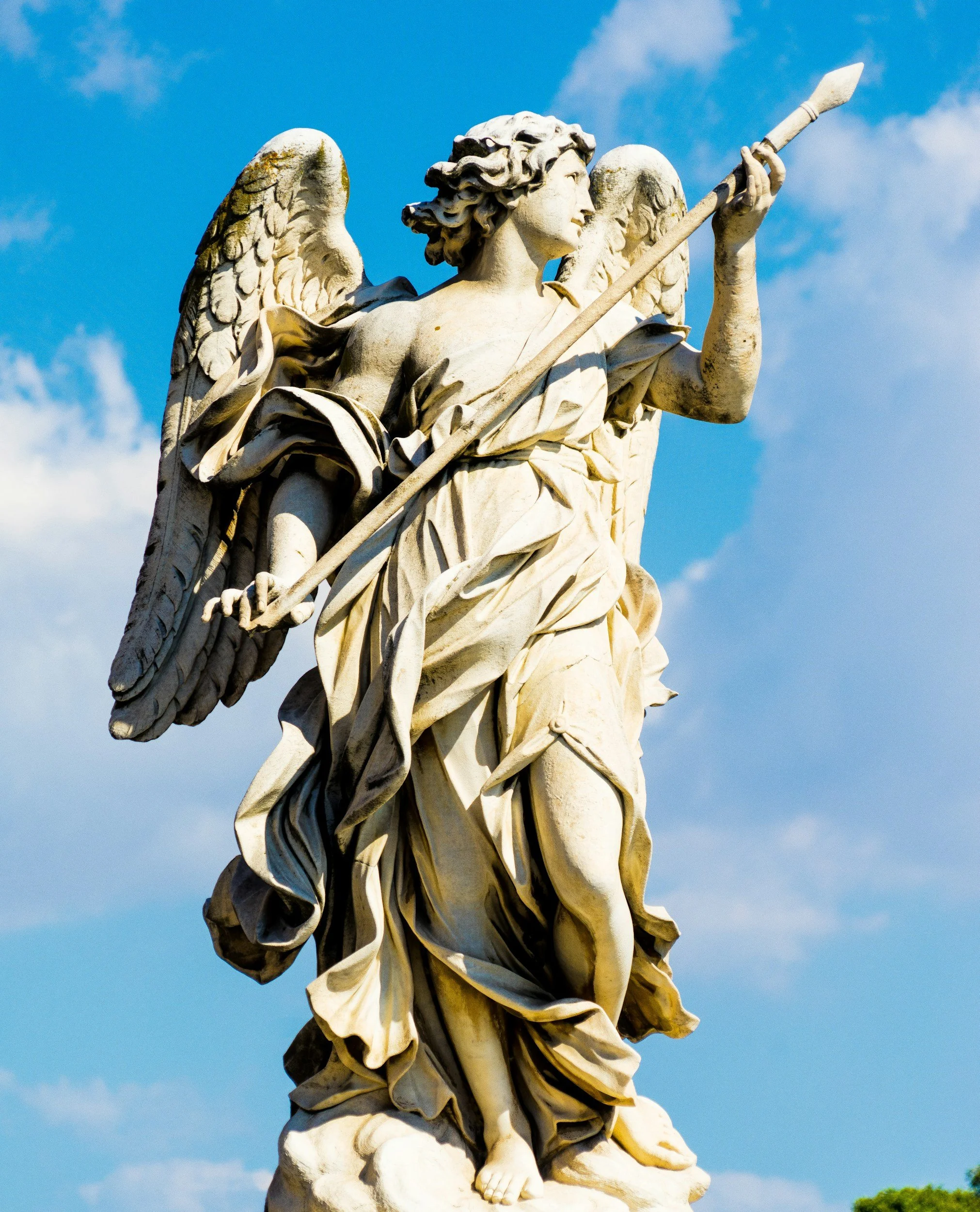
Angels are spiritual beings found in many religious and mythological traditions, often serving as messengers or intermediaries between the divine and humanity. In Christianity, Judaism, and Islam, angels are seen as protectors, guides, and bearers of divine will, embodying purity, wisdom, and benevolence. They are frequently depicted as radiant, winged figures, symbolizing light, guidance, and spiritual support. Angels represent the presence of the sacred in the mortal world, offering comfort, inspiration, and a reminder of the connection between humans and higher realms.
-
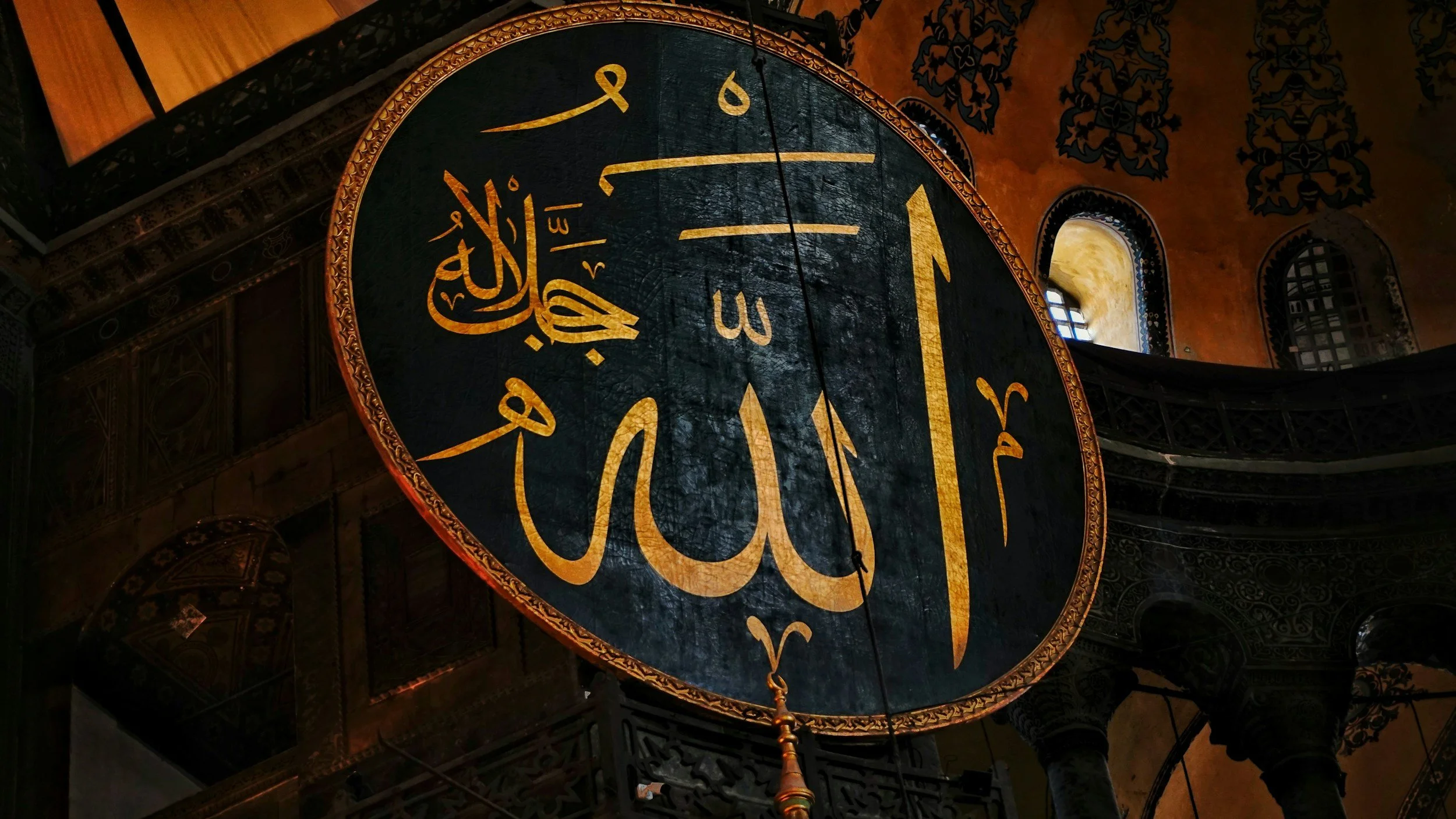
Allah is the one and only God in Islam, regarded as the supreme, all-powerful, and eternal deity. The name Allah is derived from the Arabic word for God, and it is used exclusively to refer to the monotheistic concept of the singular, indivisible God in Islamic faith. In Islam, Allah is the creator of the universe, the sustainer of all life, and the source of moral and spiritual guidance.
Allah is believed to be merciful, compassionate, just, and omniscient, transcending human understanding and free from any form or limitation. He is also considered infallible and beyond comparison to any other being or entity. In the Islamic tradition, Allah revealed His will through prophets, including Adam, Noah, Abraham, Moses, Jesus, and finally, Muhammad, whom Muslims believe to be His last and final messenger. The Qur'an, the holy book of Islam, is considered the direct word of Allah, offering guidance on how to live a righteous life.
Allah's significance transcends religious boundaries, as the name is also recognized in Judeo-Christian traditions as the Arabic word for God, particularly among Arabic-speaking Jews and Christians. Allah embodies the central tenet of Islamic monotheism and represents ultimate truth, guidance, and justice in the Islamic worldview.
-
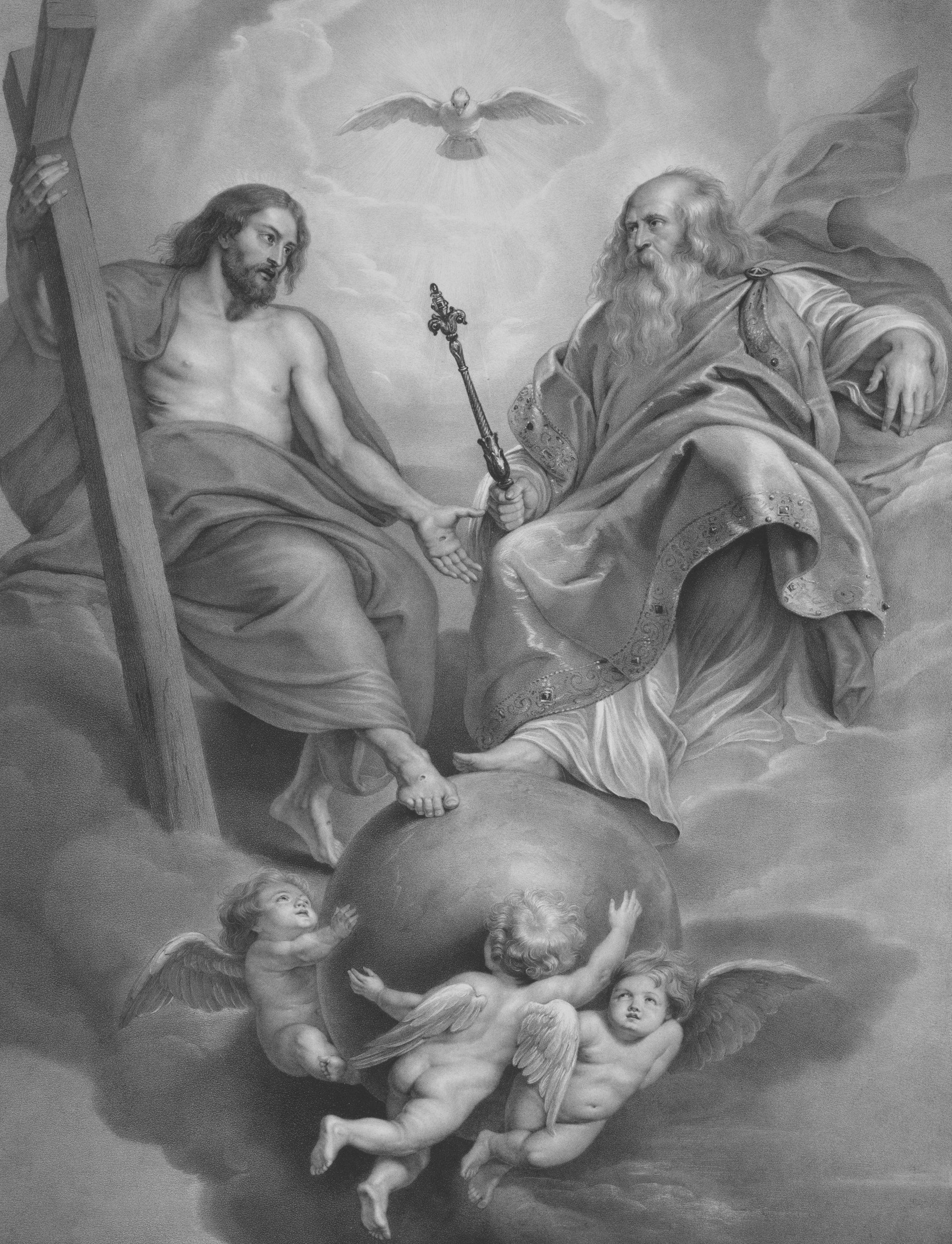
Yahweh (YHWH) is the name of the monotheistic God in Abrahamic religions, especially central to Judaism and Christianity. In the Hebrew Bible (Tanakh/Old Testament), Yahweh is portrayed as the eternal, all-powerful creator of the universe, a God of justice, covenant, mercy, and holiness. The name YHWH, considered too sacred to be spoken aloud by devout Jews, is often replaced with “Adonai” (Lord) or “Hashem” (The Name) in reading. In Christianity, Yahweh is understood as the same divine being, though interpreted through the lens of the Holy Trinity—Father, Son (Jesus Christ), and Holy Spirit. Yahweh is depicted as deeply involved in human history, forming covenants with figures like Noah, Abraham, and Moses, and guiding the moral and spiritual destiny of humanity. He embodies both divine judgment and boundless compassion, calling people to righteousness, worship, and relationship.
-
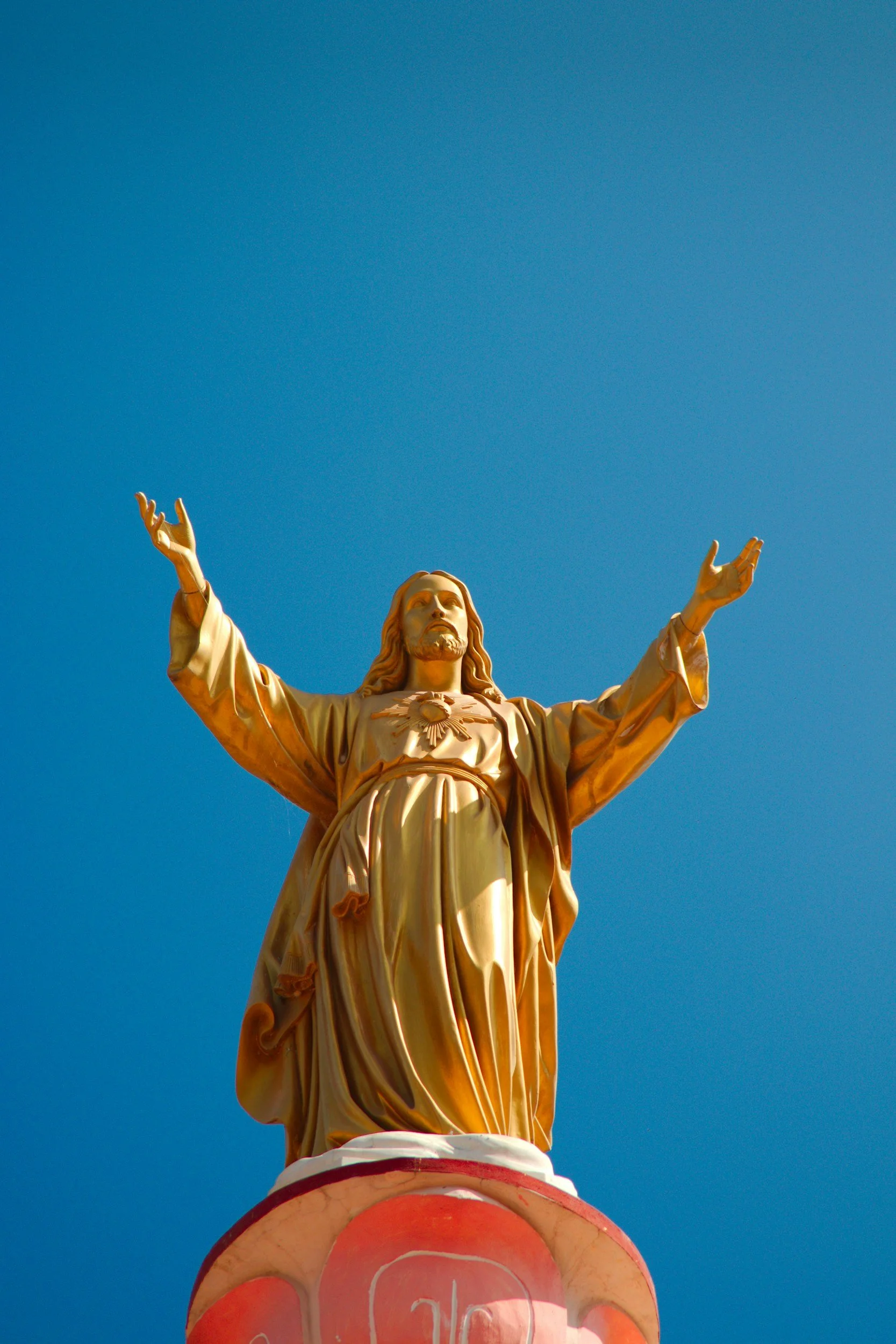
Isa ibn Maryam (known as Jesus, son of Mary in English) is one of the most important figures in Islamic theology. He is regarded as a prophet and the Messiah, and his life and teachings are integral to Islamic beliefs. Isa is considered to be born of the Virgin Mary (Maryam), a miraculous birth that parallels the Christian story, but with distinct differences in Islamic tradition.
In Islam, Isa is not divine but is considered a prophet of Allah (God), a messenger who brought guidance to the Children of Israel. He performed many miracles, including healing the sick, raising the dead, and creating life from clay (much like Adam), all by the will of Allah. Isa’s teachings emphasize monotheism, compassion, and righteous living.
One key distinction in Islamic belief is that Isa was not crucified; instead, he was raised up to heaven by Allah before he could be harmed. Muslims believe that Isa will return at the end of times to defeat falsehood, restore justice, and bring peace before the Day of Judgment.
Isa is a central figure in both Christianity and Islam, but in Islam, he is seen as a human prophet, not the Son of God, with his life and mission focused on spreading the message of Allah’s unity and righteousness.
-
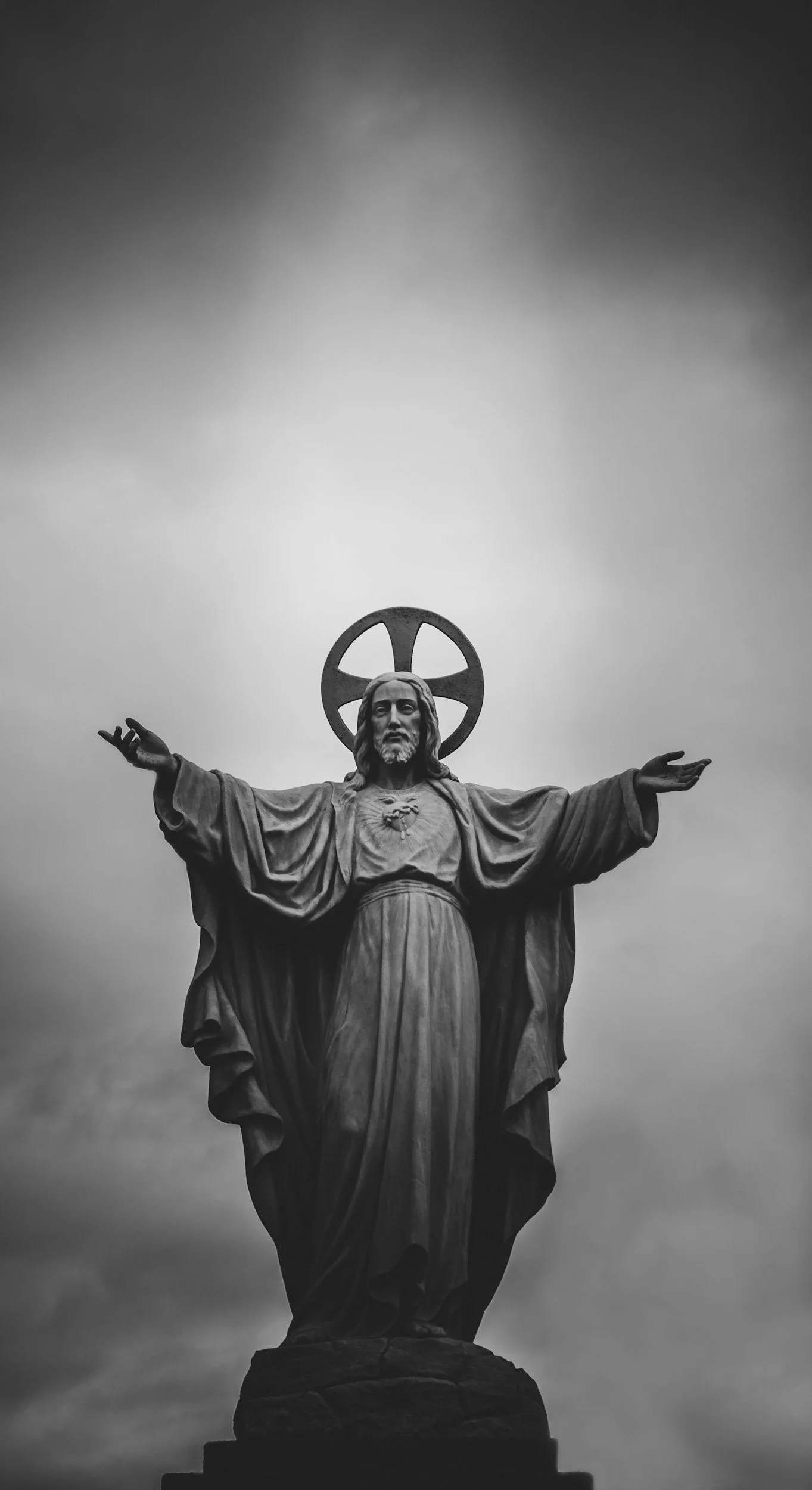
Jesus (known as Isa in Islam) is one of the most significant figures in Abrahamic religions, though understood differently across traditions. In Christianity, Jesus is the Son of God, the Messiah, and the savior of humanity. He is believed to be both fully divine and fully human, sent to bring salvation through his teachings, crucifixion, and resurrection. His life exemplifies love, sacrifice, and forgiveness, and his followers believe he fulfilled Old Testament prophecies and opened the path to eternal life.
In Islam, Isa is honored as a great prophet and messenger, born of the Virgin Mary (Maryam) by divine command. He is revered for his miracles, wisdom, and role in guiding the Children of Israel, though Islam rejects his divinity and crucifixion, believing instead that he was taken up by God and will return at the end of time.
In both traditions, Jesus/Isa is a symbol of divine mercy, truth, and spiritual transformation, deeply shaping religious thought, history, and devotion across the world.
-
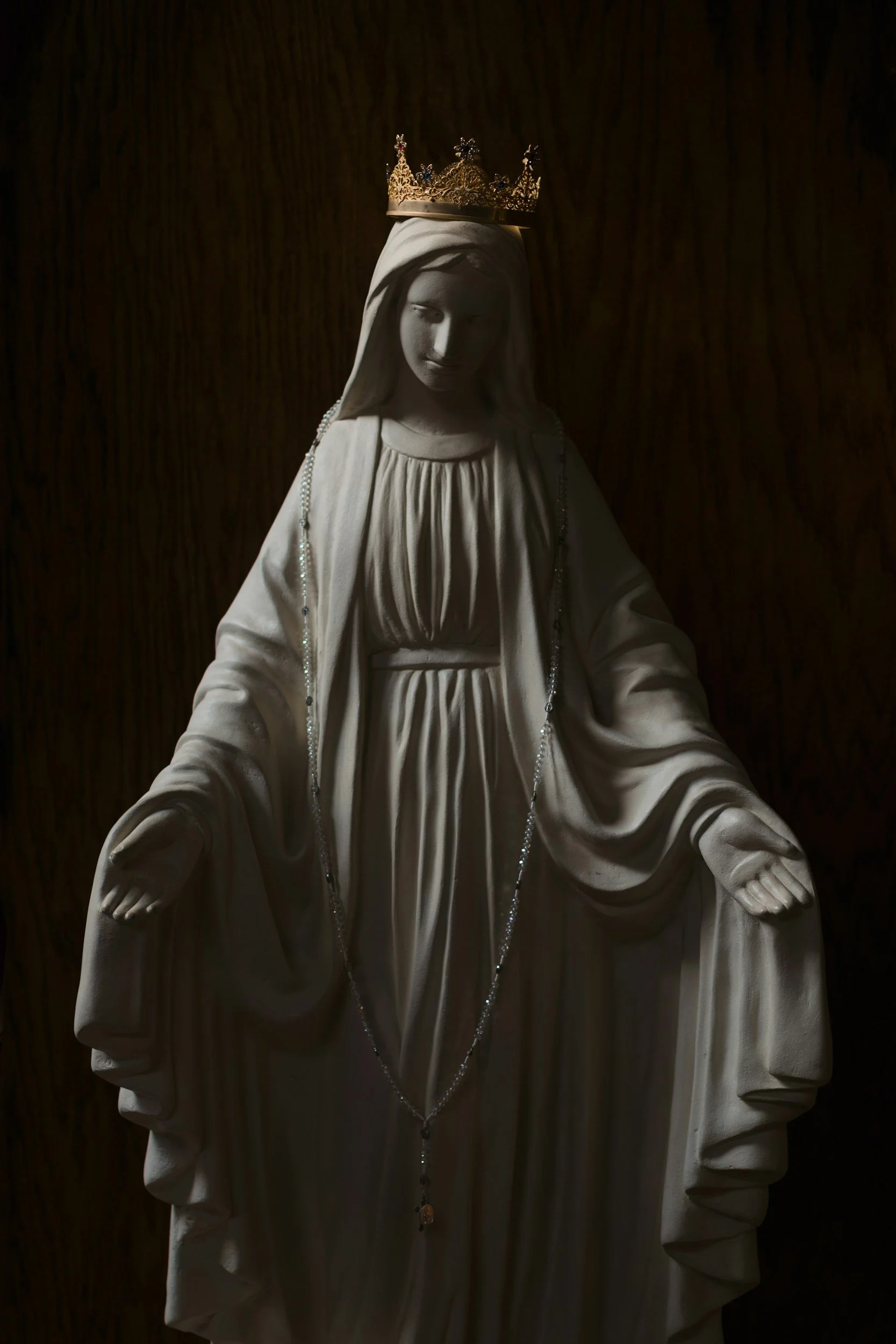
Mary, also known as the Virgin Mary, is a central figure in Christianity, revered as the mother of Jesus Christ. She symbolizes purity, compassion, and maternal care, and is honored in numerous feasts throughout the liturgical calendar, including the Feast of the Immaculate Conception on December 8 and Christmas on December 25. Mary is often seen as an intercessor between humanity and the divine, embodying grace, devotion, and the nurturing aspects of the sacred feminine. Her role highlights themes of humility, faith, and the miraculous nature of life.